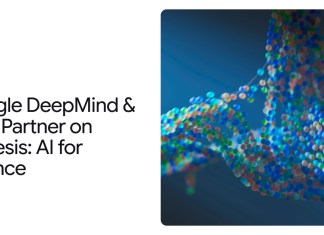

The new artificial intelligence system designs proteins that bind efficiently to target molecules, which could potentially help with drug design, understanding diseases and more.
Every biological process in the body, from cell growth to the immune response, depends on interactions between molecules called proteins. Like a key to a lock, one protein can bind to another, helping to regulate critical cellular processes. Protein structure prediction tools such as AlphaFold have already given us enormous insight into how proteins interact with each other to perform their functions, but these tools cannot create new proteins to directly manipulate these interactions.
However, scientists can create new proteins that bind effectively to target molecules. These binders could help scientists accelerate progress in a wide range of research, including drug development, cell and tissue imaging, understanding and diagnosing diseases, and even crop pest resistance. One sec the latest approaches to machine learning protein design has made great progress, the process is still labor-intensive and requires extensive experimental testing.
Today we present AlphaProteoour first artificial intelligence system for designing novel, high-strength protein binders to serve as building blocks for biological and health research. This technology has the potential to accelerate our understanding of biological processes and aid in drug discovery, biosensor development, and more.
AlphaProteo can generate new binding proteins for a variety of target proteins, including VEGF-Awhich is associated with cancer and diabetes complications. For the first time, an effective protein binder for VEGF-A has been designed using an artificial intelligence tool.
AlphaProteo also achieves higher experimental success rates and 3- to 300-fold better binding affinities than the best existing methods for the seven target proteins we tested.
Learning the complex ways in which proteins connect
It is difficult to design protein binders that can bind tightly to the target protein. Traditional methods are time-consuming and require many rounds of extensive laboratory work. Once the binders are created, they are subjected to additional rounds of experimentation to optimize the binding affinity so that they bond strongly enough to be useful.
Trained on large amounts of protein data from Protein Data Bank (PDB) and over 100 million predicted structures from AlphaFold, AlphaProteo learned countless ways molecules can bind. Given the structure of a target molecule and the set of preferred binding sites on that molecule, AlphaProteo generates a candidate protein that binds to the target at these locations.